Delicious Hot Dog Topping Combinations You Need to Try
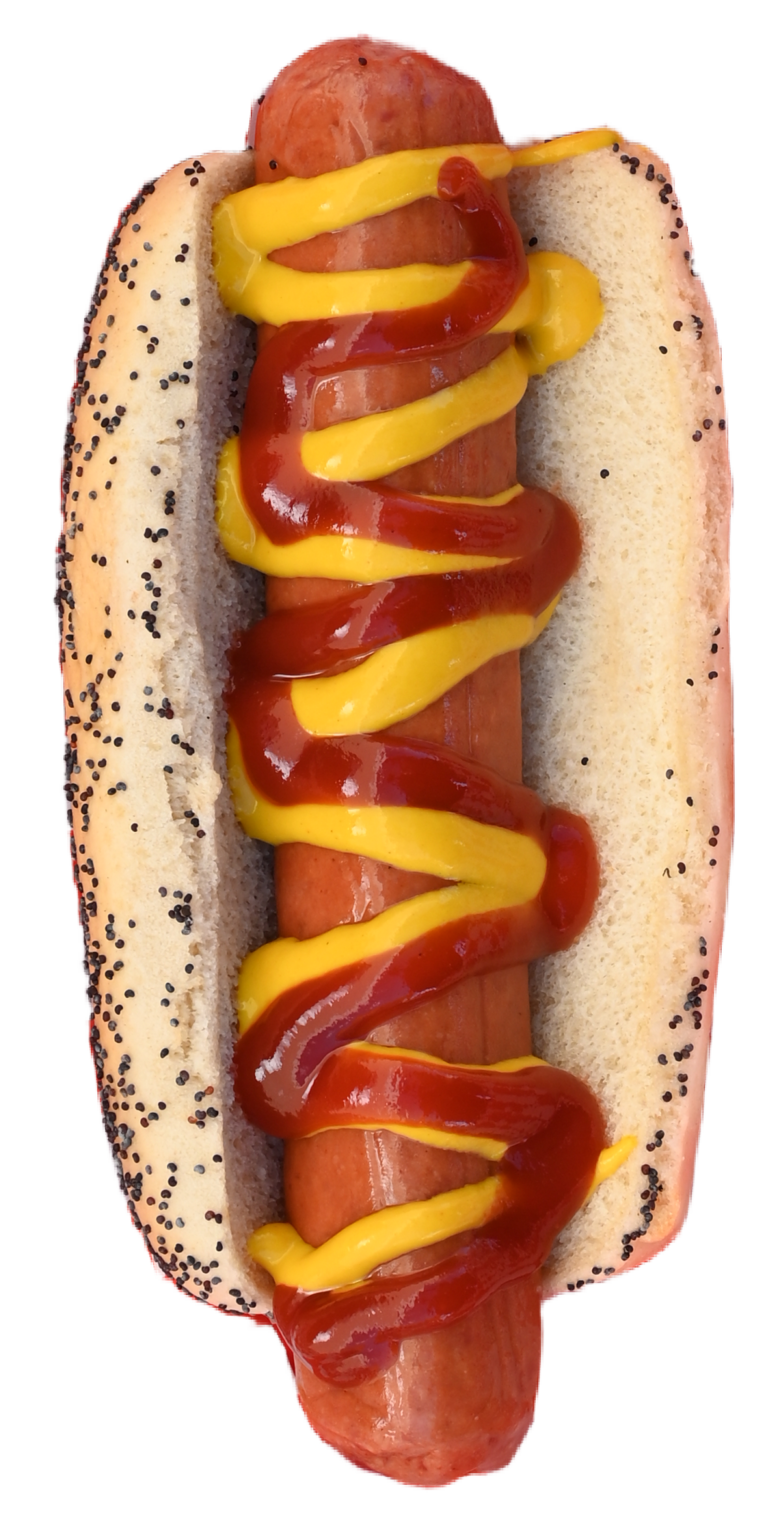


A great hot dog lives or dies on contrast. The sausage brings salt, fat, smoke, and snap. The bun offers softness and a little sweetness. Everything on top should sharpen, cool, brighten, or deepen what is already there. When people talk about toppings, they often default to the same few standbys, usually mustard, ketchup, relish, onions. Those all have their place, but a truly memorable hot dog comes from pairing flavors with intent.
That matters more than people think. A topping combination is not just decoration. It changes the entire eating experience, from the first smell to the last bite of bun soaked with juices. A thick, smoky chili turns the hot dog into something hearty and knife-worthy. A pile of slaw and pickles makes it lighter, sharper, and more summery. Melted cheese can feel indulgent and rich, but without an acidic counterpoint it quickly turns heavy. The best combinations understand balance.
I have cooked enough hot dogs at backyard parties, summer camps, ball fields, and late-night kitchen counters to know that people remember the unusual ones. They may grab the classic yellow mustard first, but they talk about the dog with kimchi and spicy mayo, or the one with charred pineapple and jalapeño, long after the paper plates are cleared. The secret is not making toppings more complicated. It is making them more deliberate.
Start with the right kind of hot dog
Before piling on toppings, it helps to think about the base. A beef hot dog with a pronounced garlic and smoke profile can stand up to stronger toppings than a mild pork dog. A natural-casing hot dog gives you that clean snap, which pairs especially well with crunchy toppings like fried onions, celery salt, pickles, or slaw. A skinless dog tends to feel softer and more uniform, which works better when you want the toppings to dominate.
Bun choice matters too. A steamed bun hugs the sausage and keeps the whole thing soft, ideal for chili, cheese sauce, and saucy toppings that need containment. A toasted bun adds structure and a little crunch, which helps if you are stacking juicy ingredients like grilled peppers, sautéed mushrooms, or pico de gallo. There is no single correct setup, but there are bad matches. A delicate bun with heavy chili collapses. A firm toasted bun with a minimalist mustard-and-onion setup can feel too dry.
Heat level also changes what works. A griddled hot dog with blistered edges tastes more savory and intense than one heated in hot water. That extra browning can handle bolder toppings such as sauerkraut, bacon jam, barbecue sauce, and strong cheeses. A gently steamed dog calls for cleaner flavors.
The basic rules that make topping combinations work
Most failed hot dogs have the same issue. They lack contrast or restraint. Too many soft ingredients and the whole thing turns mushy. Too much salt and smoke and every bite tastes flat. Too many wet toppings and the bun dissolves halfway through. When you understand the mechanics, you can improvise confidently.
Here are the principles I come back to most often:
- Pair richness with acid, such as cheese with pickled jalapeños or bacon with slaw.
- Add at least one textural contrast, often raw onion, crispy shallots, chopped pickles, or toasted seeds.
- Keep one dominant flavor and let the others support it.
- Match topping weight to bun strength and sausage size.
- Use sweetness carefully, usually in small amounts, so it lifts rather than overwhelms.
Those five points sound simple, but they explain why some regional styles have lasted for generations. They are balanced almost by instinct.
Classic combinations that still deserve your attention
The best-known hot dog styles became classics because they are tightly built, not because they are familiar. A Chicago-style dog works because every topping plays a role. The tomatoes add freshness. The sport peppers provide heat and acidity. The relish brings sweetness. The pickle spear contributes crunch and vinegar. Celery salt wakes up the sausage in a way regular table salt cannot. It is busy, yes, but it is intelligently busy.
The Coney dog remains one of the smartest topping combinations ever made. Meaty sauce, mustard, and diced onions sound almost too plain on paper, yet the formula is precise. The sauce contributes body and spice, the mustard cuts the fat, and the raw onion adds sharpness and crunch. Good Coney sauce is not a bowl of chili dumped on top. It is finer, looser, and built to cling rather than smother.
Then there is the New York approach, with brown mustard and onion sauce or sauerkraut. That style teaches an important lesson about confidence. You do not need ten ingredients when two or three strong ones do the job. The slight sourness of kraut against a hot, snappy dog can be more satisfying than a long list of toppings.
Even chili cheese dogs, often treated as indulgent fair food, are at their best when carefully balanced. A proper chili cheese hot dog needs a punch of onion or pickled pepper to stay lively. Without that, the richness starts to feel one-note after a few bites.
Topping combinations with real personality
Once you move past the classics, things get interesting. The trick is to borrow flavor logic from other dishes people already love. A hot dog is an ideal carrier for bold combinations because the sausage brings enough salt and savoriness to anchor almost anything.
Slaw, bacon, and mustard
This combination works because it hits every texture at once. The bacon adds crunch and smoke. The slaw cools things down and adds moisture. The mustard brings acid and bite. I prefer a vinegar-based slaw here rather than a heavy mayonnaise one, especially on a beef hot dog. A creamy slaw can work, but only if it is lightly dressed. Otherwise, the whole setup starts to eat like a sandwich that lost its structure.
A nice version uses thin green cabbage, a little carrot, apple cider vinegar, celery seed, and a restrained amount of mayo. Top that with crisp bacon pieces and a streak of Dijon or yellow mustard. It tastes like summer cookout food distilled into one bun.
Caramelized onions, Gruyère, and grain mustard
If you want a hot dog that feels a little more grown-up without becoming fussy, this is hard to beat. Sweet onions cooked slowly until deeply golden transform the sausage rather than competing with it. Gruyère melts beautifully and adds nuttiness, while grain mustard keeps the whole thing from becoming too sweet.
This combination pairs especially well with a larger, all-beef hot dog or even a bratwurst-style dog. Toast the bun for structure, because the onions can be slippery. The result is rich, but not cloying.
Sauerkraut, Swiss, and thousand island
You could call this a Reuben-inspired hot dog, but when it is done well it feels fully its own. Warm sauerkraut, melted Swiss, and a small drizzle of thousand island dressing create a familiar deli profile that suits a hot dog surprisingly well. The dressing must be restrained. Too much, and it overwhelms both the kraut and sausage.
The smartest way to build this is to warm the kraut first and squeeze out excess moisture if needed. That helps preserve the bun. Rye-style buns, if you can find them, are excellent here, but a standard bun still works.
Pickled jalapeños, cream cheese, and crispy onions
This one sounds like a late-night experiment, yet it is remarkably balanced. Cream cheese softens the bite of the jalapeños and adds richness, while crispy onions give the crunch that creamy toppings often need. It is loosely inspired by street and stadium combinations that understand comfort food better than many restaurant menus do.
For the best effect, spread the cream cheese lightly on the bun while it is still warm. That helps it soften without turning runny. Then add the hot dog, jalapeños, and onions. A touch of black pepper on top brings it together.
Pineapple salsa and charred scallions
A grilled hot dog has enough smoky flavor to handle fruit, provided the fruit is bright rather than syrupy. Pineapple salsa with lime, cilantro, red onion, and a little jalapeño gives sweetness, acid, and freshness in one spoonful. Charred scallions deepen the flavor so the topping does not read as tropical garnish for its own sake.
This is one of the best hot dog combinations for hot weather because it feels lively. It also works nicely with chicken or turkey dogs, which can benefit from a bolder topping strategy.
Five combinations worth making first
If you want a starting point that covers a range of styles, these are reliable and crowd-pleasing without feeling ordinary:
- Chili, sharp cheddar, diced white onion
- Sauerkraut, spicy brown mustard, Swiss
- Coleslaw, bacon, yellow mustard
- Kimchi, sriracha mayo, scallions
- Caramelized onions, Gruyère, grain mustard
That list spans classic comfort, deli sharpness, barbecue energy, Korean-inspired heat, and something closer to a bistro dog. It is a useful reminder that the format can travel far without losing its identity.
Regional styles teach the best lessons
One reason hot dogs remain endlessly adaptable is that regional styles already prove how much range the format can support. The Sonoran dog, for instance, wraps the sausage in bacon and often tops it with beans, onion, tomato, jalapeño sauce, mustard, and mayo. That sounds like a lot, but the bean component adds creaminess, the vegetables add freshness, and the bacon keeps the dog itself front and center. It is rich, yes, but there is thought behind every layer.
The Seattle-style hot dog, usually dressed with cream cheese and grilled onions, shows how one surprising ingredient can redefine the whole category. People who have never tried cream cheese on a hot dog are often skeptical, right up to the first bite. Then it clicks. The cool tang softens the aggressive salt and smoke of the sausage. Add grilled onions and maybe jalapeños, and the whole thing suddenly makes sense.
The Southern slaw dog teaches another valuable point. Texture matters as much as flavor. Slaw adds lift and crunch to a sausage that might otherwise taste too dense in summer heat. It also stretches the richness of chili if you choose to combine the two. A chili slaw dog is messy, but the best kind of messy, the kind where every napkin sacrificed feels justified.
International flavors that translate beautifully
Borrowing from global pantry staples works well because the hot dog itself https://danteexbj213.terracolumn.com/posts/how-to-make-a-crispy-split-griddled-hot-dog-at-home is simple. It provides a neutral savory backbone. The mistake people make is trying to import too many ingredients at once. Usually one or two signature components are enough.
Kimchi is one of the strongest examples. Its fermented acidity, heat, and crunch make it a natural partner for sausage. Add a little spicy mayo and sliced scallions, and you have a hot dog with real edge. The mayo should be there for texture, not dominance. Kimchi already has a lot to say.
A bánh mì-inspired version can be excellent too. Quick-pickled carrots and daikon, cucumber ribbons, cilantro, and a dab of pâté or mayo on a hot dog give you bright herbs, crisp vegetables, and rich umami. It works best when the vegetables are drained well and the herbs are fresh. A soggy version falls apart fast.
There is also room for Mexican street-food logic. Crumbled cotija, roasted corn relish, lime crema, and chili powder can turn a hot dog into something that nods toward elote without becoming gimmicky. Again, restraint matters. Too much crema and everything turns wet. Just enough gives you tang and richness.
Japanese flavors can be subtle and effective. Kewpie mayo, shredded nori, pickled ginger, and a streak of teriyaki glaze create a sweet-salty profile that works especially well with a grilled dog. You want a light hand with the glaze. A hot dog is not a dessert, and too much sweetness can flatten the smoke and salt that make it satisfying.
Texture is not optional
People often focus on flavor pairings, but texture is where many topping combinations win or lose. A hot dog should have movement. That might mean snap from the casing, resistance from the bun, crispness from raw onion, tenderness from cooked onions, or crackle from fried shallots. If every element is soft, the eating experience becomes monotonous even if the flavors are good.
That is why pickle relish works better when paired with chopped raw onion than when used alone. The onion gives the relish structure. It is also why cheese sauce often benefits from crushed corn chips, crispy onions, or diced pickles on top. You need interruption.
Moisture control matters just as much. Sauerkraut should not be dripping. Salsa should be spooned, not poured. Slaw should be dressed enough to glisten, not enough to pool. A hot dog has only so much holding capacity before the bun gives out. In a restaurant kitchen, this is the difference between a special that sells all night and one that gets returned because guests cannot physically eat it.
The condiments that earn a permanent spot
Not every topping combination needs a long ingredient list. Sometimes the smartest move is upgrading the condiments. A good whole-grain mustard brings heat, acid, and seed texture in one spoonful. Pepper jelly can wake up a smoked sausage if used sparingly. Bacon jam delivers sweet-savory depth, especially with a sharp mustard or pickled onion to offset it.
Mayo deserves more respect in hot dog building than it usually gets. Used well, it can carry garlic, herbs, chipotle, or lime without making the hot dog feel heavy. The key is quantity. You are dressing a sausage, not frosting a cake.
Pickled onions might be the most useful topping of all. They are inexpensive, easy to make, vivid on the plate, and capable of brightening almost any rich combination. If I had to choose one item to keep in the refrigerator for hot dog night, it would be a jar of lightly pickled red onions.
Pairing toppings with cooking method
A boiled or steamed hot dog has a cleaner profile and a softer exterior. It benefits from sharper toppings like mustard, relish, kraut, or chopped onion. A grilled hot dog, especially one with visible blistering, can carry sweeter or more robust toppings because the char adds depth. That is the best stage for barbecue sauce, grilled pineapple, roasted peppers, or bacon.
Pan-seared hot dogs sit somewhere in the middle. They develop an even browned surface that works beautifully with melted cheese and cooked onions. If I am making dogs indoors, this is often the route I take because it gives me enough savory character to support richer toppings without having to fire up a grill.
Cooking method also affects bun strategy. Steamed buns are ideal for traditional street-cart styles. Butter-toasted buns make more sense when you are leaning into cheese, mushrooms, caramelized onions, or any topping combination that feels slightly more substantial.
What to serve when people want options
If you are feeding a group, the easiest way to make memorable hot dogs is not to set out twenty bowls of random toppings. That usually leads to confusion and overbuilt dogs. Instead, think in themes. Offer two or three combinations with clearly different personalities. One classic, one sharp and tangy, one richer and more adventurous. People make better choices when the options feel intentional.
At cookouts, the combinations that disappear first are often the ones guests did not expect to like. Cream cheese with jalapeños. Slaw with bacon. Kimchi with scallions. Once someone tries one and gets it, the rest of the tray goes quickly. The hot dog has always been democratic food, but it rewards a little craft.
When less is the better move
There is a temptation, especially once you start playing with creative toppings, to build the tallest, busiest dog possible. Usually that is a mistake. A topping combination should make the hot dog taste more like itself, not less. If the sausage disappears completely, you may have made a very tasty sandwich, but not a very good hot dog.
Some of the best combinations involve just two additions. Sauerkraut and mustard. Chili and onion. Cream cheese and grilled onions. Slaw and mustard. When the ingredients are chosen well, simplicity reads as confidence.
That is the fun of the whole category. A hot dog can be nostalgic, regional, elegant, indulgent, or slightly ridiculous, sometimes all in the same meal. The only real requirement is that every topping earns its place. When acidity cuts richness, crunch meets softness, and the sausage still leads the bite, you have something worth repeating.
Under Construction Hot Dogs
1225 W U.S. Hwy 50, Pueblo, CO 81008
FAQ About hot dog
What are different types of hotdogs?
Under Construction Hot Dogs offers a classic all-beef hot dog, a quarter-pound Jumbo Dog, a Chili Dog, and a Chicago Dog, along with brats and a Spicy Link.
What does a chili dog have on it?
Our Chili Dog pairs a Vienna all-beef hot dog with chili, shredded cheddar cheese, and finely diced onions.
What is in a traditional Chicago dog?
Our Chicago Dog comes on a steamed poppy seed bun with yellow mustard, bright green relish, onions, tomato wedges, a pickle spear, sport peppers, and celery salt.